Fence Sales & Estimating
Fence sales and estimating is where a lot of fence jobs are won or lost before the first post ever goes in. This topic covers how to qualify leads, ask better questions, build trust with homeowners and commercial buyers, and price work in a way that protects margin without killing your close rate. It also gets into the real-world side of sales: follow-up, handling objections, and knowing when a job is worth chasing.
Listeners can expect practical conversations on quoting strategies, sales process, and how contractors actually improve conversions in the field. Episodes in this category help you tighten up your numbers, avoid underbidding, and communicate price with more confidence.
If your estimates are inconsistent or your team is spending too much time on bad leads, this category is for you. The goal is simple: better jobs, better margins, and fewer wasted hours.

5 Minutes on The Fence Podcast
In this lively “5 Minutes on The Fence Podcast” episode, Brian T. Frederiksen turns the show into a fast-moving preview of what’s ahead for the fence industry’s biggest event. He reconnects with past Demo Days hosts and exhibitors, including Sean, Mary Cobb of JC Gury, Jameson from Titan Post Drivers, the DOO team, Alec and Ashton from Secure Line Marketing, Al from Fence Armor, Zach from Wood Defender, Karen from Easy Louver, Rowdy from NW Quick Pull, Rachel from My Salesman, and Brian Dixon from BD Loops. Across the conversation, the focus stays on practical business growth: new products, booth specials, education sessions, and the kind of networking that helps contractors build better companies. The episode highlights several actionable takeaways for fence and gate contractors. JC Gury is offering show discounts, on-site sign ordering, and branded giveaways; Titan emphasizes maintenance and application fit for its gas, electric, and hydraulic post drivers; marketing guests stress the importance of video, SEO, Google Ads, and Facebook Ads; and software and workflow tools are presented as ways to remove roadblocks, improve communication, and speed up estimating and operations. With Demo Days returning to Florida and the Fence Show in Las Vegas growing fast, the episode captures the energy, collaboration, and innovation driving the industry forward.

The $10,000 Marketing Mistake
In “The $10,000 Marketing Mistake,” Brian T. Frederiksen sits down with Charlie, founder of OneTap Connect, for a high-energy conversation about why so many fence companies lose deals before price is even discussed. Charlie argues that the real problem isn’t lead flow — it’s a lack of trust-building consistency across the sales process. From first contact to follow-up, he explains how contractors can standardize their message, eliminate a fragmented customer journey, and use digital profiles, QR codes, and tap-to-share tools to present their company with professionalism every time. His core message is simple: trust comes before price, and the first few seconds of a conversation can determine whether a prospect becomes a customer. The episode also digs into marketing mistakes fence contractors make, including racing to the bottom on price, relying too heavily on ads, and failing to capture organic opportunities in person. Brian and Charlie compare old-school tactics like Yellow Pages with modern digital marketing, while warning against overreliance on AI-generated content that lacks real human connection. Charlie shares how organic networking, strong branding, reviews, testimonials, and a consistent trust ecosystem can convert more of the leads companies already have. It’s a practical, energetic discussion for owners and sales teams who want better conversions, stronger branding, and a smarter way to grow.
Great Salespeople are Exceptional Observers!
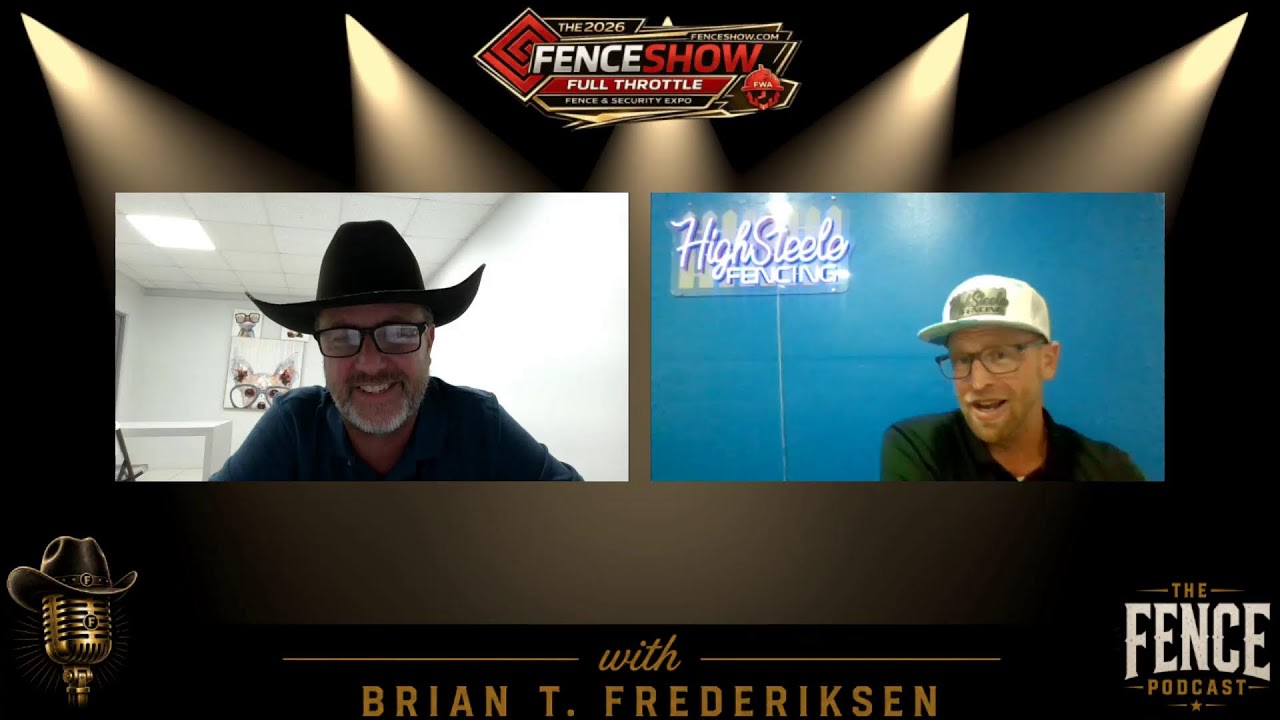
In “Great Salespeople are Exceptional Observers!”, The Fence Podcast features Josh Clark of High Steel Fence, who shares how a strong sales career in fencing starts long before the quote is written. He explains how his background in vending, chemical plants, and construction shaped his approach to sales, but it was learning to observe people, ask the right questions, and understand a customer’s true pain point that made the biggest difference. Josh and Brian Frederiksen dig into why sales is a skill distinct from estimating or installation, and why the best reps don’t just measure jobs — they read body language, notice details about the property, and identify who is really making the decision. The conversation also explores common mistakes newer fence salespeople make, including overexplaining, underpricing, and trying to “teach” the customer instead of solving the problem. Josh emphasizes that sales starts with reputation, punctuality, and brand trust, then succeeds through quiet listening, proper pricing, and knowing when to stop talking. He also previews his Full Throttle Education class at the Fence Show in Las Vegas, where he’ll teach attendees how to read their environment and adapt their approach to different types of customers. For fence contractors, salespeople, and owners alike, this episode offers practical advice on closing more jobs without giving away the farm.

Are Facebook Ads a Young Person's Game?
In **“Are Facebook Ads a Young Person’s Game?”**, Brian T. Frederiksen, Sasha, and guest Ivon Valchuk of Fencelight Media break down why social media advertising is still one of the most powerful growth tools available to fence and gate contractors. Ivon, who started his agency as a teenager and now works with more than 30 fence companies across the U.S. and Canada, shares how he found his niche by combining creativity, blue-collar family roots, and real results for his first fence client. The conversation explores the difference between Meta ads and Google ads, why each platform serves a different purpose, and why fence companies should use both to create a strong, consistent presence in their local market. The episode also tackles one of the industry’s biggest myths: that Facebook ads don’t work. Ivon explains that poor targeting, weak creative, and “commodity” ads are often the real problem—not the platform itself. He emphasizes that fence companies should post before-and-after projects, jobsite story posts, and local community updates even before spending money on ads. His key takeaway is simple: homeowners buy from people they know, like, and trust. For contractors still hesitant about social media, Ivon’s advice offers a clear path to building visibility, booking more estimates, and turning marketing into a real growth engine.
A Lifetime in Fencing and What Comes Next
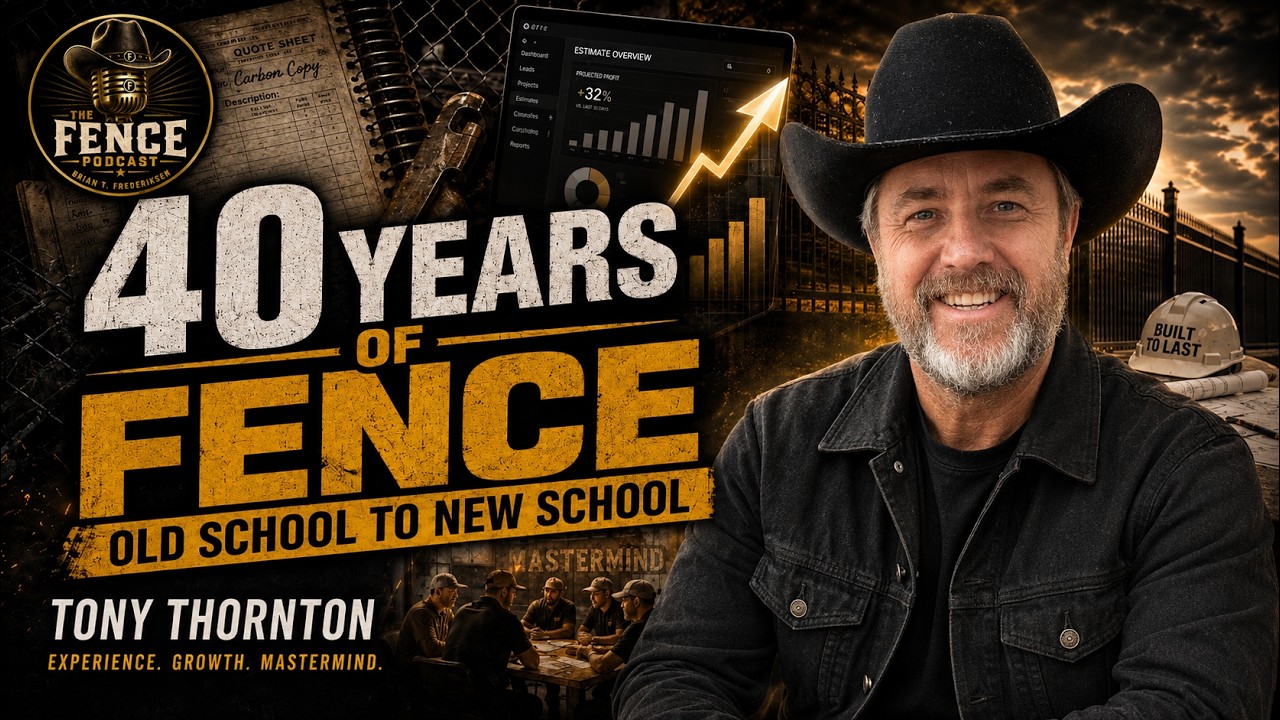
In “A Lifetime in Fencing and What Comes Next,” Brian T. Frederiksen sits down with industry veteran Tony Thornton for a wide-ranging conversation about where the fencing business has been and where it’s headed. Thornton reflects on his journey from hands-on installer and salesperson to executive director, consultant, and industry mentor, explaining how his time with the American Fence Association shaped his perspective and opened the door to new opportunities. He also shares what it was like to step away from the spotlight, pivot into a corporate branch-management role, and now return to consulting with renewed focus on education, relationships, and helping contractors build stronger businesses. The discussion dives deep into the evolution of the fencing trade: from handwritten quotes, carbon-copy forms, and old-school sales methods to today’s estimating software, faster quoting, and technology-driven workflows. Thornton and Frederiksen also explore the Canadian fencing market, standards development, cross-border shipping challenges, and the importance of brokers and distributor relationships. The episode closes with practical advice on hiring, leadership, and profitability, plus a preview of Thornton’s new mastermind-style venture, Fence Masters Group, designed to help contractors learn from peers, avoid costly mistakes, and improve their operations.

Stop Sending Out Trucks That Aren't Making Money
In “Stop Sending Out Trucks That Aren’t Making Money,” Brian T. Frederiksen sits down with Jeremiah to tackle one of the fencing industry’s hardest truths: busy crews do not automatically mean profitable crews. Jeremiah, now working with Secure Tech Fence Systems in San Jose, shares how commercial and public works contractors often lose margin through low-bid work, rising labor and fuel costs, poor production tracking, and hidden extras like submittals, CAD drawings, engineering revisions, and third-party inspections. The conversation makes a strong case for pricing based on real-world productivity, not outdated assumptions or the fear of losing work. The discussion also drills into the systems that keep a company profitable. Jeremiah and Brian stress the need for better coordination, clear accountability, and pre-job checklists so crews show up with the right materials, drawings, and expectations. They talk through the common mistakes that lead to return trips, missed hardware, and wasted hours, then connect those mistakes to larger business problems like underpricing gates, failing to ramp down overhead, and pricing jobs just to keep trucks moving. Listeners will come away with practical reminders on how to improve crew performance, protect margins, and bid more confidently in commercial fencing.
Sales Silence and Cash Flow
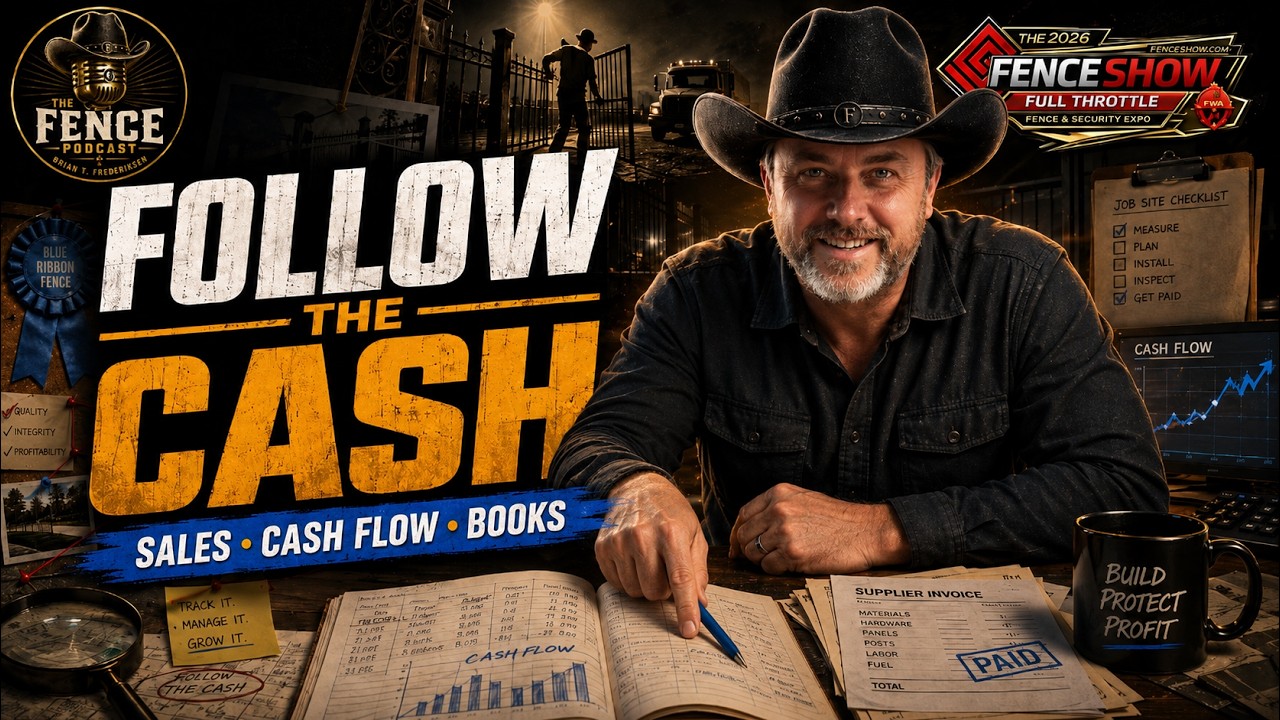
In “Sales Silence and Cash Flow,” Brian T. Frederiksen sits down with Dusty and Robin of Blue Ribbon Fence for a practical, funny, and refreshingly real conversation about what it takes to grow a fence company without losing control of the business. Dusty shares how he went from detective to fence contractor, and how the company grew from a side hustle into a full-time operation built on persistence, relationships, and learning on the job. The discussion highlights why continuing education matters more than ever in today’s fencing industry: it helps contractors sharpen sales skills, raise professionalism, improve margins, and connect with a wider network of people who can help them solve problems faster. A major theme of the episode is communication — both in sales and in business operations. Dusty explains how silence, listening, and reading customer behavior can build trust and improve close rates, while Robin emphasizes the financial side contractors often ignore until it becomes a crisis. She breaks down the importance of cash flow, balance sheets, compliant business structures, and understanding the difference between profit and actual money in the bank. Together, they make a strong case for live education over passive content, arguing that real-time conversation, experience-based teaching, and asking questions on the spot create the kind of learning that moves the needle for small fence businesses.
Building a Fence Company with Systems and Networking
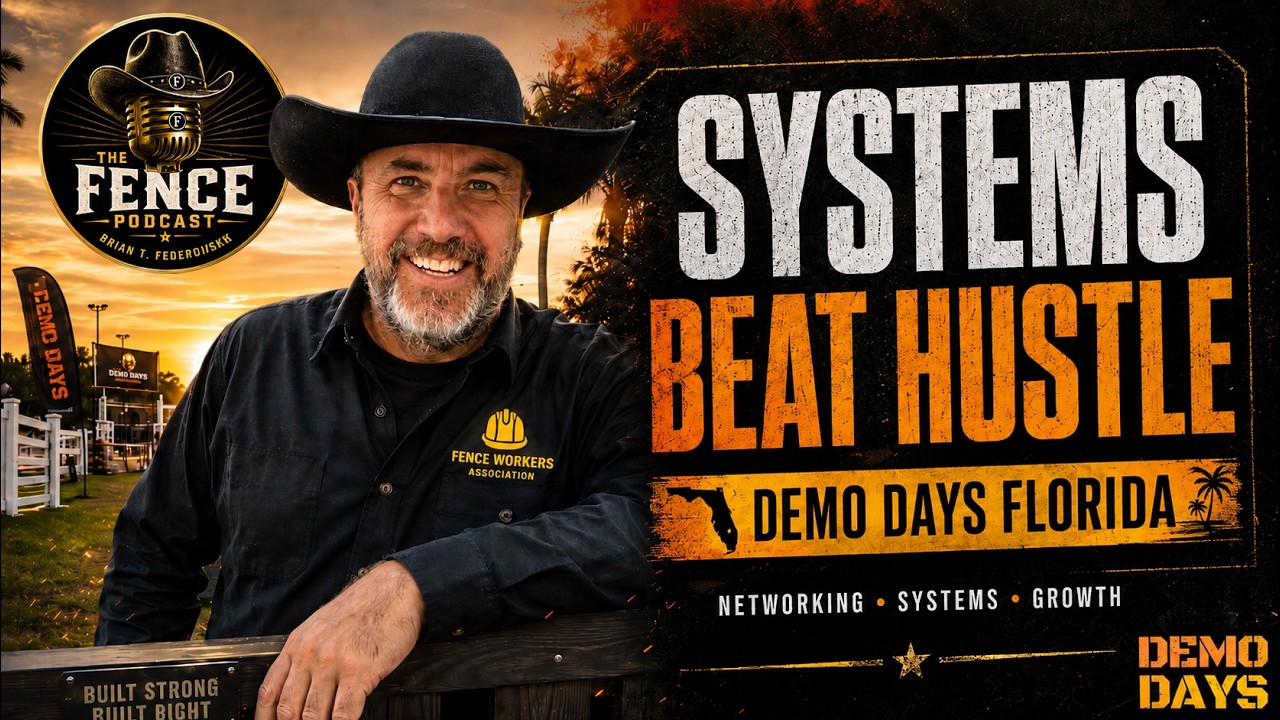
In “Building a Fence Company with Systems and Networking,” Brian T. Frederiksen sits down with Nikki H. of Hage Fence and Pete of GCF Coast Fence for a wide-ranging conversation about what it really takes to grow in the fencing industry. Pete shares how his background in the military shaped his love for systems, SOPs, and process-driven operations, and how those habits helped him turn a one-man startup into a more scalable company in just two years. He explains how his business now runs through structured workflows, customer expectation calls, virtual assistants, and a growing emphasis on social media and follow-up systems that generate leads and keep jobs moving. The episode also highlights the power of networking and community. Pete credits local relationships, industry events, and persistence for helping him level up faster than he could have alone, while Nikki shares Hage Fence’s journey from fixing rental-property fences to building a thriving operation with trucks on the road and a stronger internal structure. Together, they discuss the industry’s changing expectations, the need for training and innovation, and the importance of building businesses that serve both customers and families. Listeners will come away with practical ideas for better systems, smarter delegation, and how strategic networking can open doors for growth.

Think Like an Entrepreneur with Matt Warner from Empire Fence
In “Think Like an Entrepreneur with Matt Warner from Empire Fence,” Brian T. Frederiksen sits down with one of the fencing industry’s most energetic operators for a wide-ranging conversation about growth, culture, and building a business that goes beyond the fence truck. Warner shares how Empire Fence evolved from netting into residential and commercial fencing, fabrication, sports solutions, software, powder coating, and even real estate development. His big takeaway: contractors should stop thinking only like fence installers and start thinking like entrepreneurs—look for ways to diversify, create more value, and build multiple revenue streams without losing sight of profitability. The episode also gets practical. Warner and Frederiksen dig into backlog management, explaining why contractors should keep three to four months of work booked, raise prices when demand is strong, and use backlog as leverage instead of fear. They also tackle real-world contractor questions on core drilling, rock breakers, and jobsite safety, stressing the value of working with insurance and safety teams instead of against them. Throughout the discussion, Warner emphasizes leadership, Monday morning meetings, honesty, and culture as the foundation for long-term success. It’s an encouraging, tactical episode for fence and gate contractors who want to grow smarter, protect margins, and lead their teams better.

Going FULL THROTTLE!!
This episode of The Fence Podcast features Brian T. Frederiksen talking with Dusty and Robin from Blue Ribbon Fence, a Texas fencing company that grew from a side hustle into a full-time business. They share how Dusty transitioned from detective work with the police department to running fence crews, while Robin brought accounting and operations experience that helped the company scale. Their story highlights how fencing can be a practical, rewarding industry for people coming from very different backgrounds, and how part-time work can evolve into a sustainable full-time business. A major theme of the conversation is continuing education and why it matters more now than ever in the fence industry. Dusty and Robin explain that live, experience-based training helps contractors improve both their installs and their business operations, from sales and communication to profitability and compliance. They discuss how listening, building trust, and adapting to each customer are crucial in sales, while Robin emphasizes the importance of bookkeeping, cash flow, entity structure, and knowing financial reports. Their upcoming Fence Show courses reflect that mix of real-world sales strategy and practical business education, with the goal of helping contractors grow smarter and avoid costly mistakes.